
Breaking down Instagram photos in comments
Authored by mwplay.info, Jul 09, 2026
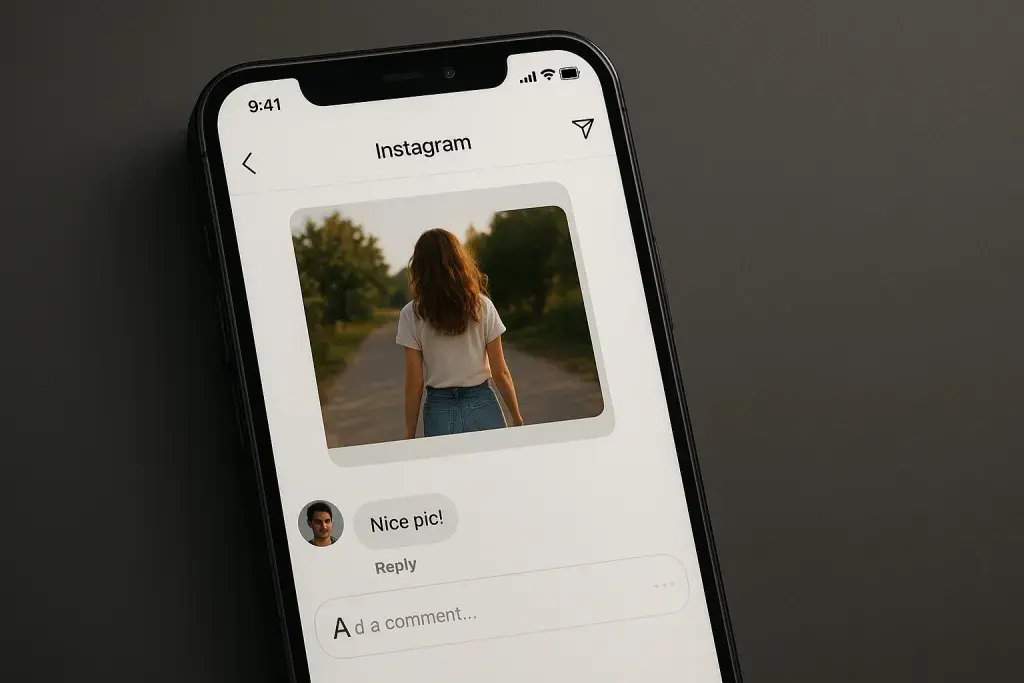
A small photo tucked inside a comment thread has quietly changed how people react to posts on Instagram. It's not a bug, not a rare glitch, and not something reserved for tech-savvy users - it's a visual reply sitting where a typed comment used to be the only option. For years, comments meant text, emojis, and the occasional tagged friend. Now a photo can sit directly under a post, layered into the conversation the way a voice note might interrupt a text chat.
What makes this shift worth paying attention to is how unevenly it shows up. Some accounts see the option immediately, others don't see it at all, and the experience can change depending on the app version or the type of account being used. Casual users treat it as a quick, expressive way to respond without typing a sentence, while creators and brands are already testing it as a way to deepen interaction under their posts. Many of the same creators experimenting with photo replies are also pairing the behavior with tactics like using tools to boost reels on instagram, since visual engagement in comments and video visibility tend to reinforce each other on the platform.
This piece breaks the feature down in full - what it is, how it functions, what changed heading into 2026, and where it's likely headed next. Whether you're curious out of habit or trying to use it strategically, the goal here is clarity, not speculation.
What Are Instagram Photos in Comments?
Instagram photos in comments are exactly what the name suggests: images posted directly inside a comment thread instead of, or alongside, text. Rather than typing "love this," a user can attach a photo - a screenshot, a reaction image, a personal snapshot - as the entire reply. The comment still lives in the same public thread under the post, visible to anyone who can see the original content, but the response itself is visual rather than written.
The feature grew out of a broader push across social platforms to make replies feel less like typed feedback and more like a real exchange. Text comments work well for short reactions, but they flatten a lot of what people actually want to express. A photo reply can carry a joke, a reference, or a mood that a sentence can't capture as quickly. Instagram photos in comments explained simply: it's a visual extension of the comment box, not a separate feature bolted onto the platform.
A few characteristics define how the feature behaves in practice:
- The photo reply is tied directly to the original comment thread, not a separate message.
- It remains visible to anyone who can view the post and its comments.
- It follows the same moderation and reporting rules as regular text comments.
- It can be deleted, hidden, or reported the same way a written comment can.
A practical example: under a travel post, instead of writing "I've been there too," a follower attaches their own photo from the same location. The reply becomes part of the public thread, visible to everyone scrolling through the comments, turning a single post into a small shared gallery of reactions.
How the Feature Differs From Story Replies and DMs
Confusion between comment photos, story replies, and private photo messages is common, mostly because all three involve sending an image in response to something. The difference comes down to visibility and location. A story reply sent as a photo goes into a private direct message - only the original poster sees it. A photo sent in a direct message thread is even more private, invisible to anyone outside that specific conversation. A photo comment, by contrast, sits in public view under the post itself.
| Feature | Visibility | Location | Purpose |
|---|---|---|---|
| Photo comment | Public, visible to anyone who can see the post | Comment thread under the post | Public visual reaction or reply |
| Story reply | Private, seen only by the story owner | Direct message inbox | Private reaction to a story |
| Direct message photo | Private, limited to conversation participants | Direct message thread | One-on-one or group private sharing |
Instagram Photos in Comments Explained: How the Feature Works Technically
Using the feature is straightforward once the option appears in the comment field. The process mirrors how people already add images to messages elsewhere on the platform, which is likely why adoption has been quick among users who already understand Instagram's basic mechanics.
- Open the post where you want to leave a comment.
- Tap the comment field at the bottom of the screen.
- Select the camera or image icon next to the text input.
- Choose a photo from your camera roll or take a new one on the spot.
- Send the comment, with the image attached instead of, or alongside, any text.
Once posted, the image appears inline within the comment thread, usually as a small thumbnail that expands when tapped. Other users can reply to that specific photo comment the same way they'd reply to a text comment, which keeps conversations threaded and easy to follow even when they mix text and images.
There are practical limits worth knowing. Image file sizes are capped to keep load times fast across the app, and not every account type has immediate access to the feature - business accounts and personal accounts have occasionally seen different rollout timing. A creator responding to a fan's question with a photo of a product, rather than a paragraph of text, is a good example of the feature doing what text alone can't: showing instead of describing.
Instagram Photos in Comments 2026: What's New This Year
Heading into 2026, the feature has moved from a novelty into something closer to a standard part of how people comment. The most noticeable shift is how visible and consistent the option has become across account types, rather than appearing selectively as it once did.
Several changes define the current state of the feature:
- Wider availability across personal, creator, and business accounts, reducing the inconsistency users noticed in earlier rollouts.
- Basic editing tools appearing directly in the comment photo composer, letting users crop or adjust an image before posting it.
- Tighter integration with comment moderation settings, giving account owners more control over who can post images in their comment sections.
- Algorithm behavior that appears to weigh visual comments differently than text-only replies when calculating engagement on a post.
Not every update has reached every user at the same pace. Some tools tied to comment photos remain in limited testing, meaning two accounts on the same app version can still see slightly different options. Anyone relying on the feature for business purposes should treat newer additions as experimental until they show up consistently across their own account and audience.
Instagram Photos in Comments News: Recent Platform Changes and Reactions
Public reaction to photo comments has been mixed in a predictable way. Users who enjoy visual communication have embraced the feature as a faster, richer way to respond to posts they care about. Others have raised concerns that mirror long-standing worries about comment sections in general - namely, that any new format for public interaction can also become a new format for spam or low-effort engagement.
Creators have been vocal about both sides. Some report that photo replies under their posts feel more personal and generate longer, more engaged threads. Others have flagged the moderation challenge: reviewing an image takes more attention than skimming a line of text, which makes it harder to quickly judge whether a comment is genuine, promotional, or inappropriate.
Platform-level discussion has centered on how comment photos interact with existing community guidelines. Since the feature uses the same reporting and moderation infrastructure as text comments, most of the debate isn't about new rules but about whether current moderation tools are fast enough to handle a format that's harder to scan at a glance.
Benefits and Risks of Using Photos in Comments
Deciding whether to lean into this feature - as a user, creator, or business - comes down to weighing what it adds against what it complicates. The benefits are tangible, but so are the risks, and neither should be assumed automatically.
| Benefits | Risks |
|---|---|
| Stronger, more expressive engagement under posts | Higher potential for spam or irrelevant images |
| Faster way to communicate visually without writing | Harder and slower content moderation |
| Useful for showing products, locations, or reactions directly | Risk of inappropriate or low-quality images cluttering threads |
| Can deepen community feel around a post | Overuse by an account can look unfocused or spammy |
A business account that responds to customer questions with a quick photo of a product variant demonstrates the feature working well - it answers the question faster than text could. On the other end, an account that floods every comment section with unrelated promotional images shows the same feature misused, damaging credibility instead of building it.
How to Use Instagram Photos in Comments Effectively
Using the feature well is less about the mechanics and more about restraint and relevance. A photo comment should add something a sentence couldn't say as clearly, not replace thoughtful engagement altogether.
- Post images that are directly relevant to the original content, not generic reaction pictures.
- Respond quickly when using photo comments for customer questions, since the format works best in real-time exchanges.
- Keep visual branding consistent if using the feature as a business, so followers recognize your replies at a glance.
- Avoid posting the same or similar images across multiple unrelated posts, which reads as spam rather than genuine interaction.
Creators who combine strong photo-comment habits with broader visibility strategies tend to see the most consistent results, since a highly visible post naturally attracts more comment activity of every kind, including image replies. The feature rewards accounts that treat it as a genuine communication tool rather than another box to check for engagement metrics. Used sparingly and intentionally, it strengthens a comment section instead of cluttering it.
Questions and Answers
Can anyone post a photo in comments, or is it limited to certain accounts?
Availability has expanded significantly by 2026, but rollout has never been perfectly uniform. Account type, app version, and regional settings can all affect whether the option appears immediately in the comment field.
Are Instagram photos in comments visible to everyone?
Yes, if the account is public, anyone who can view the post can see photo comments left under it. On private accounts, visibility follows the same rules as regular comments - only approved followers can see them.
Do photo comments affect the Instagram algorithm?
They appear to factor into engagement signals differently than plain text comments, since they often draw more attention and replies. This makes them a meaningful, though not guaranteed, way to increase activity under a post.
Can businesses use photo comments for customer service or marketing?
Yes, and many already do, particularly for answering product questions visually or showcasing details a caption can't fully cover. The key is relevance - using the feature to genuinely help or engage, not to repeatedly promote unrelated content.
What should I do if someone posts an inappropriate photo in comments?
Photo comments can be reported or removed the same way text comments can, using the same moderation tools available to account owners. Reviewing comment settings periodically helps catch problematic images before they affect the overall thread.
Will this feature keep changing in the future?
Almost certainly, since it's still being refined even as it becomes more standard across accounts. Staying attentive to app updates is the most reliable way to keep up with how the feature evolves.